
The History of Antigua, Guatemala: A City of Resilience and Beauty
Few cities in the world carry history as gracefully as Antigua, Guatemala. With cobblestoned streets, pastel facades, and volcanoes looming on the horizon, Antigua is more than just a postcard-perfect destination—it’s a city that has endured conquest, natural disasters, and reinvention while holding fast to its cultural soul.


From Spanish Conquest to Colonial Capital
Antigua’s origins trace back to the early 16th century. The Spanish, eager to establish control in the region, founded their first capital nearby in 1524. But after repeated indigenous uprisings and destructive mudflows from Volcán de Agua, the settlers moved to the valley where Antigua now stands.
In 1543, the city—then called Santiago de los Caballeros de Guatemala—became the capital of the Kingdom of Guatemala, an area that once stretched from Chiapas, Mexico all the way to Costa Rica. For over two centuries, it was the beating heart of Spanish colonial power in Central America.
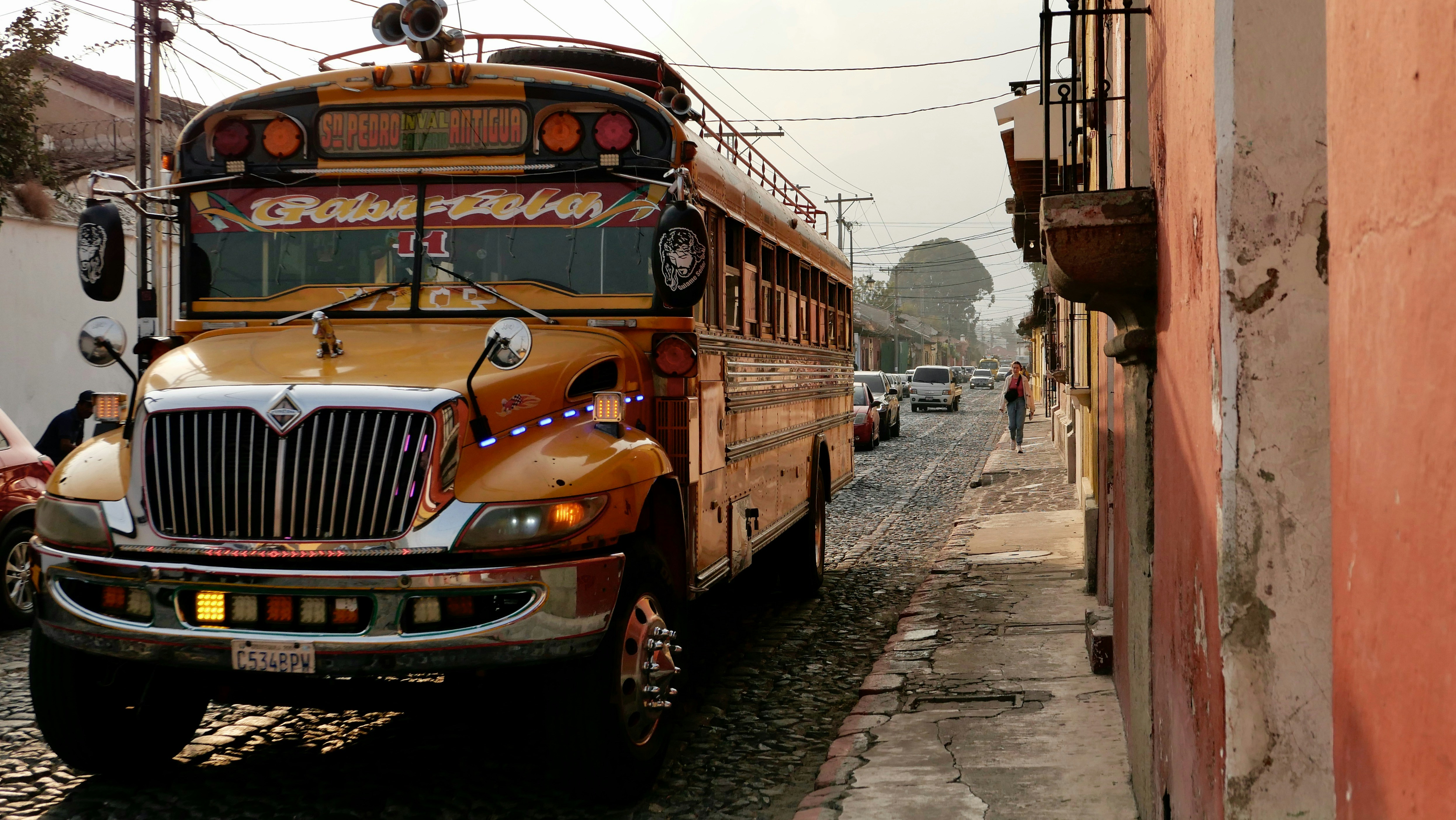
A City of Splendor
During its height in the 17th and 18th centuries, Antigua was one of the most magnificent cities in the Americas. Its grid of streets and plazas was lined with lavish churches, monasteries, and civic buildings. Artisans, scholars, and clergy flocked to the city, making it a hub of culture and religion.
Walking Antigua today, you can still see this grandeur in landmarks like:
La Merced Church, with its striking yellow and white façade.
The Cathedral of San José, once one of the most impressive in the New World.
The Palace of the Captains General, which housed Spanish rulers.
Earthquakes and Abandonment
Antigua’s prosperity was tested repeatedly by natural disasters. The city sits in a seismic zone, and earthquakes in 1717, 1751, and most devastatingly in 1773 brought down much of its architectural glory. After the destruction, the Spanish Crown ordered the capital to be moved once again—this time to what is now Guatemala City.
For decades, Antigua was largely abandoned, its churches left in ruins and its plazas quiet. But even in decline, the city’s beauty never truly faded.
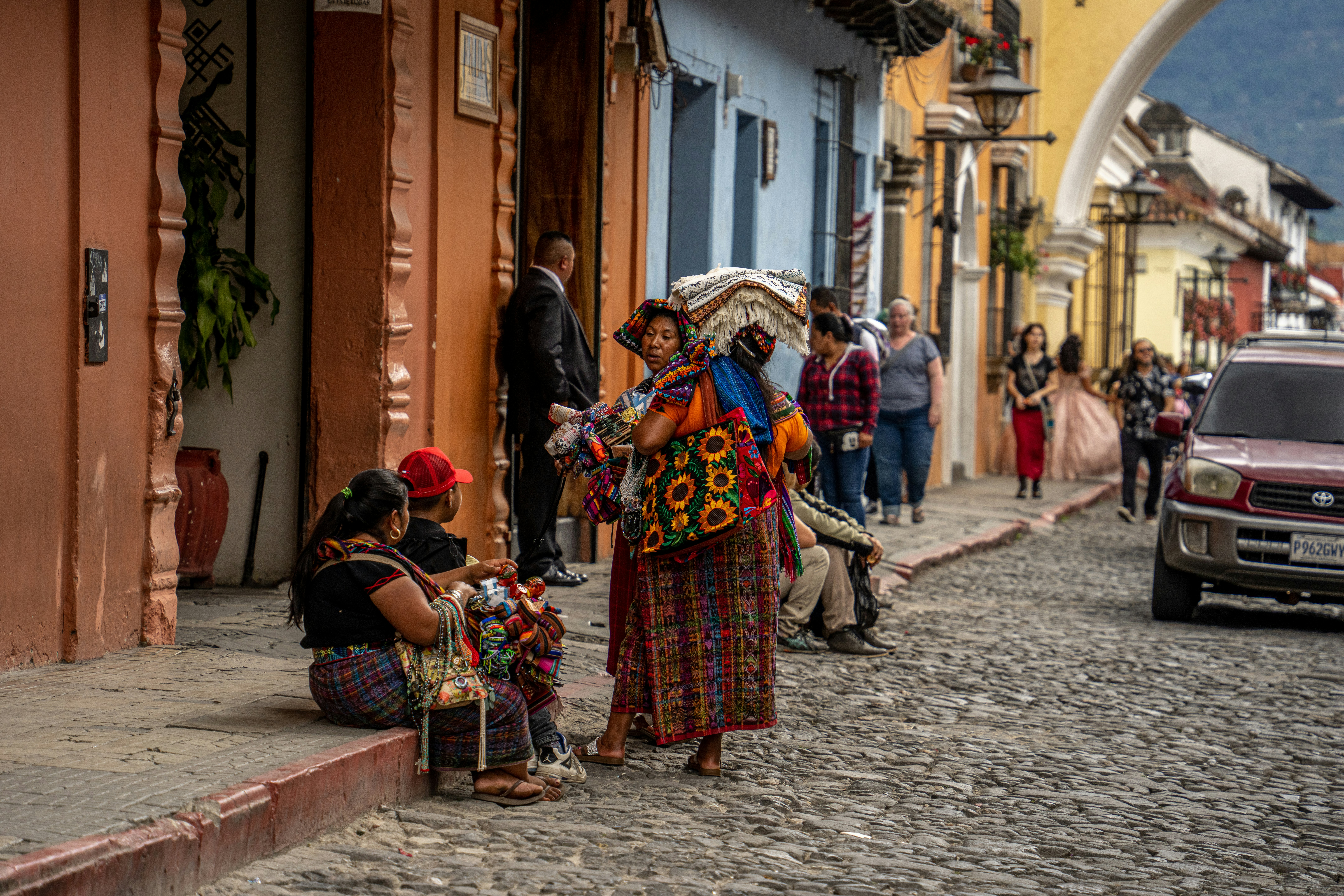
A City Reborn
By the late 19th and 20th centuries, Antigua began to revive. Artists, intellectuals, and travelers were drawn to its romantic ruins and colonial charm. In 1979, UNESCO declared Antigua a World Heritage Site, recognizing it as a living museum of Spanish Baroque architecture and a cultural treasure.
Today, Antigua is vibrant once more—home to bustling markets, festivals, and a thriving café culture. It is a city that honors its past while embracing modernity, drawing people from around the globe who come to experience its history, culture, and natural beauty.
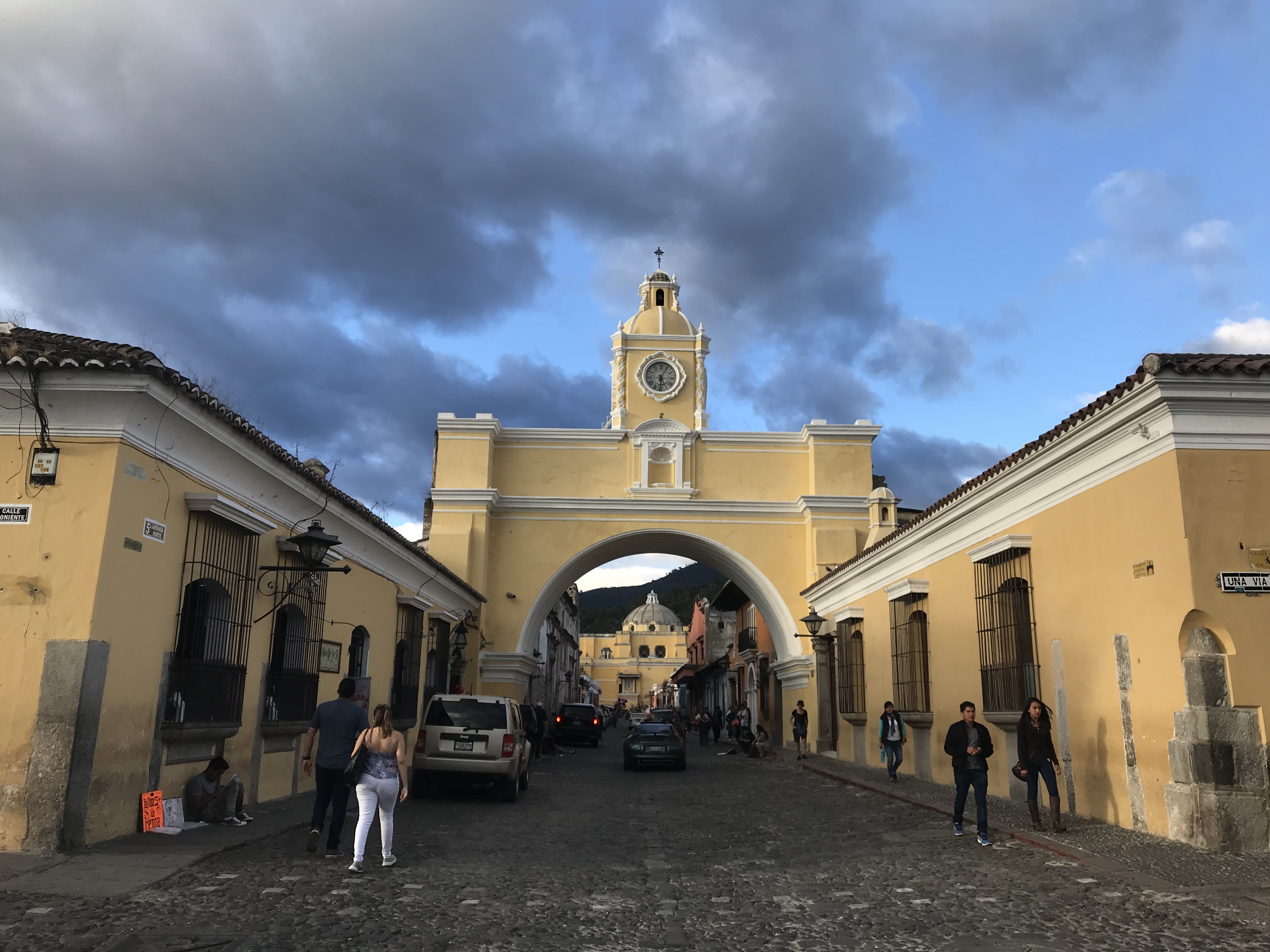
Coffee and Cultural Legacy
History in Antigua isn’t only written in stone walls and church ruins—it’s also brewed in its coffee. Since the 18th century, coffee cultivation has been part of Antigua’s identity, with volcanic soil and high altitudes producing beans that are among the finest in the world. This agricultural heritage continues to connect Antigua’s past to its present, earning it the nickname “the Napa Valley of Coffee.”
Final Reflections
The history of Antigua, Guatemala is one of resilience. From its rise as a colonial capital to its near destruction by earthquakes, and finally its rebirth as a cultural and coffee capital of the world, Antigua embodies endurance and beauty.
To walk through its streets today is to step back through centuries—while also feeling the pulse of a city alive with tradition, creativity, and warmth.